The gut-mitochondrial axis is an emerging concept in the field of health science, focusing on the intricate interplay between the gut and mitochondria. This axis represents the communication and relationship between our digestive health and the energy-producing organelles within our cells [1,2]. Our understanding of this connection is critical as it emphasizes how our gut health can directly influence cellular energy production and overall well-being.
In essence, the gut-mitochondrial axis is a bidirectional communication network. It involves the gut microbiota, the microorganisms residing in our intestines, and the mitochondria, often referred to as the powerhouse of the cell. These two components work in harmony to regulate various physiological processes, including metabolism, energy balance, and immune function. This axis highlights the importance of maintaining both gut health and efficient mitochondrial function for optimal health.
To fully appreciate the significance of the gut-mitochondrial axis, it’s essential to understand its components and how they interact. This axis not only underscores the role of diet and lifestyle in maintaining health but also opens new avenues for therapeutic interventions aiming to improve or restore this critical balance.
The Basics of the Gut-Mitochondrial Axis
The basics of the gut-mitochondrial axis revolve around the symbiotic relationship between the gut microbiota and mitochondria. The gut hosts trillions of microbes that play a crucial role in digestion, nutrient absorption, and immune system modulation. These microbes communicate with mitochondria through a variety of pathways, influencing the energy dynamics within cells [1,2].
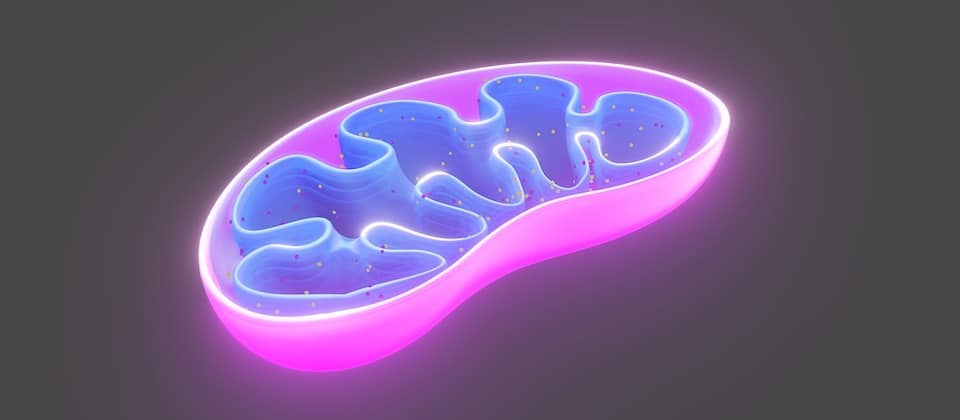
Mitochondria are responsible for producing adenosine triphosphate (ATP), the energy currency of the cell. This process is heavily influenced by metabolites produced by the gut microbiota. For instance, short-chain fatty acids (SCFAs), which are byproducts of dietary fiber fermentation by gut bacteria, are known to enhance mitochondrial efficiency and function. This highlights how gut health directly correlates with mitochondrial performance.
Understanding these basics helps us appreciate the profound impact the gut-mitochondrial axis has on our health. It suggests that disruptions in gut microbiota can lead to mitochondrial dysfunction, potentially contributing to various health disorders. This foundational knowledge sets the stage for exploring the broader implications of this axis on overall well-being.
Importance of the Gut-Mitochondrial Axis for Overall Health
The importance of the gut-mitochondrial axis cannot be overstated when considering its impact on overall health. This axis has far-reaching implications for various bodily systems and processes, making it a critical focus for those seeking to enhance their health and longevity. It plays a pivotal role in maintaining energy homeostasis, regulating immune responses, and even influencing mood and cognitive function [1].
One of the primary reasons the gut-mitochondrial axis is vital lies in its role in energy metabolism. Mitochondria are central to converting nutrients into usable energy, and their efficiency is often dictated by the gut microbiota. A well-balanced gut environment ensures that mitochondria receive the necessary substrates and signals to function optimally, thereby supporting physical vitality and endurance [1,2].
Moreover, the axis influences immune system function. A healthy gut microbiome promotes a balanced immune response, reducing the risk of chronic inflammation and autoimmune disorders. This, in turn, supports mitochondrial health, as inflammation is known to impede mitochondrial function. Thus, the gut-mitochondrial axis serves as a cornerstone of holistic health, affecting everything from physical energy to immune resilience.
How Gut Health Influences Mitochondrial Function
Gut health significantly influences mitochondrial function through a series of complex interactions. The gut microbiota produces various metabolites that serve as signaling molecules and energy substrates for mitochondria. These metabolites can enhance mitochondrial biogenesis, improve energy production, and protect against oxidative stress [2].
Short-chain fatty acids, such as acetate, propionate, and butyrate, are prime examples of beneficial metabolites produced by gut bacteria. These SCFAs not only serve as an energy source for colonocytes but also promote mitochondrial efficiency and protect against inflammation-induced mitochondrial damage. This demonstrates the direct impact of gut health on mitochondrial vitality.
Moreover, the gut microbiota produces vitamins and cofactors vital for mitochondrial function. For instance, B vitamins, synthesized by gut bacteria, are essential for the mitochondrial electron transport chain. A disruption in gut health, such as dysbiosis, can lead to a deficiency in these critical nutrients, impairing mitochondrial function and energy production. Thus, maintaining a healthy gut is integral to supporting mitochondrial health and, by extension, overall well-being.
The Role of Diet in Maintaining the Gut-Mitochondrial Axis
Diet plays a pivotal role in maintaining the gut-mitochondrial axis, as the foods we consume directly influence gut microbiota composition and function [1]. A diet rich in fiber, antioxidants, and healthy fats can support both gut health and mitochondrial efficiency, fostering a harmonious relationship between the two.
- Fiber-Rich Foods: Dietary fiber is essential for gut health, serving as a substrate for beneficial bacteria to produce SCFAs. Foods like fruits, vegetables, legumes, and whole grains are excellent sources of fiber that can enhance gut microbiota diversity and promote mitochondrial function.
- Antioxidant-Rich Foods: Antioxidants protect mitochondria from oxidative stress and damage. Including a variety of colorful fruits and vegetables, such as berries, leafy greens, and carrots, can bolster mitochondrial resilience and support overall cellular health.
- Healthy Fats: Omega-3 fatty acids, found in fatty fish, flaxseeds, and walnuts, have anti-inflammatory properties and support mitochondrial membrane integrity. Incorporating these fats into the diet can further enhance the gut-mitochondrial connection.
By prioritizing a balanced diet, we can nurture our gut microbiota and, in turn, support mitochondrial health. This dietary approach not only reinforces the gut-mitochondrial axis but also promotes holistic well-being and disease prevention.
Signs of an Imbalanced Gut-Mitochondrial Axis
Recognizing the signs of an imbalanced gut-mitochondrial axis is crucial for early intervention and prevention of potential health issues. When this axis is disrupted, it can manifest in various ways, reflecting the wide-ranging influence of gut and mitochondrial health on the body.
Common Signs of Imbalance Include:
- Fatigue and Low Energy: Mitochondrial dysfunction often results in decreased energy production, leading to persistent fatigue and a lack of vitality.
- Digestive Issues: Symptoms such as bloating, constipation, and diarrhea may indicate an imbalance in gut microbiota, affecting mitochondrial function.
- Cognitive Impairments: Brain fog, poor concentration, and memory issues can result from impaired communication along the gut-brain axis, linked to both gut and mitochondrial health.
- Immune System Dysregulation: Frequent infections or autoimmune reactions may arise from an imbalanced gut microbiome, impacting mitochondrial efficiency and immune response.
By being vigilant for these signs, we can take proactive steps to address and restore balance within the gut-mitochondrial axis, thereby improving overall health and well-being.
Strategies to Optimize the Gut-Mitochondrial Axis
Optimizing the gut-mitochondrial axis requires a multifaceted approach that combines dietary changes, lifestyle modifications, and targeted interventions. By adopting these strategies, we can support both gut health and mitochondrial function, enhancing overall vitality and resilience.
Key Strategies Include:
- Probiotics and Prebiotics: Incorporating probiotics, such as yogurt and fermented foods, can replenish beneficial gut bacteria. Prebiotics, found in foods like garlic, onions, and asparagus, serve as fuel for these bacteria, promoting a healthy gut microbiome.
- Regular Physical Activity: Exercise has been shown to enhance mitochondrial function and diversity of gut microbiota. Engaging in regular physical activity, whether it’s walking, cycling, or strength training, can support the gut-mitochondrial axis.
- Stress Management: Chronic stress can disrupt gut health and impair mitochondrial function. Practices such as meditation, yoga, and deep breathing can help manage stress and maintain balance within this axis.
- Adequate Sleep: Quality sleep is essential for both gut and mitochondrial health. Establishing a regular sleep routine and creating a restful sleep environment can support the regenerative processes of these systems.
By integrating these strategies into our daily lives, we can optimize the gut-mitochondrial axis, leading to improved health outcomes and enhanced quality of life.
Final Thoughts
The gut-mitochondrial axis represents a critical nexus of health, influencing everything from energy metabolism to immune function and cognitive health. As our understanding deepens, it opens the door to innovative therapeutic approaches and interventions aimed at enhancing health through the gut-mitochondrial axis.
As we embrace this knowledge, it is essential to adopt lifestyle habits that support both gut health and mitochondrial function. From dietary choices and exercise to stress management and sleep, each aspect of our daily routine plays a role in maintaining a balanced and thriving gut-mitochondrial axis. By understanding and nurturing this axis, we can unlock the secrets to optimal health and well-being.
Sources
[1] Qiao, L., Yang, G., Wang, P., & Xu, C. (2024). The potential role of mitochondria in the microbiota-gut-brain axis: Implications for brain health. Pharmacological research, 209, 107434. https://doi.org/10.1016/j.phrs.2024.107434
[2] Zachos KA, Gamboa JA, Dewji AS, Lee J, Brijbassi S and Andreazza AC (2024) The interplay between mitochondria, the gut microbiome and metabolites and their therapeutic potential in primary mitochondrial disease. Front. Pharmacol. 15:1428242. https://doi.org/10.3389/fphar.2024.1428242
https://www.ifm.org/articles/connecting-mitochondria-gut-health